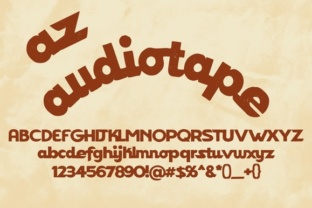
AZ Audiotape: Your Guide to Analog Recording
In an age where digital audio dominates every playlist and podcast feed, the tactile charm of magnetic tape has found a surprising revival. Whether you're a curious beginner pulling an old reel-to-reel machine from a thrift store or a producer seeking that warm analog saturation, AZ Audiotape offers a reliable entry point into the world of physical sound recording. But what exactly is it, and why would anyone choose tape over a simple app?
At its core, AZ Audiotape is a brand of magnetic recording tape designed for capturing audio on compatible decks and cassette players. Unlike digital files that store sound as binary code, tape records analog waveforms directly onto magnetic particles. This process yields a natural, slightly compressed sound that many describe as "warm" or "fat." For musicians, podcasters, and hobbyists alike, that character can turn a sterile recording into something more organic and engaging.
What Makes AZ Audiotape Stand Out?
Not all tape is created equal. AZ Audiotape has built a reputation for consistent quality across formulations, from standard ferric tape to high-bias chrome equivalents. Key characteristics include a wide frequency response, low noise floor, and reliable adherence to the tape oxide coating—meaning fewer dropouts or splices during critical takes. For someone new to the format, this reliability translates to less frustration and more time focusing on creativity.
Another appealing trait is the physicality of the medium. Handling a reel, threading it through a machine, and watching the spools spin creates a ritual that slows down the recording process. Many users find this deliberate pace helps them listen more carefully, make intentional decisions, and ultimately produce better sounding results. In an era of endless undo buttons, AZ Audiotape forces you to commit—a valuable discipline for any creator.
Who Can Benefit from Using AZ Audiotape?
The beauty of analog tape is that it serves a wide range of people, not just vintage gear enthusiasts. Consider a few scenarios:
- Musicians and songwriters looking for a distinctive sound without expensive outboard gear. Running a mix through an AZ Audiotape reel can add harmonic richness that digital plugins try to emulate.
- Podcasters and voice artists who want to eliminate that "pristine but sterile" quality from their recordings. A tape transfer can soften harsh sibilance and add a subtle background character that feels more intimate.
- Educators and language learners recording practice sessions. The linear nature of tape encourages focused listening without the temptation to skip or multitask.
- Archivists and hobbyists preserving old radio broadcasts, family memoirs, or live performances. AZ Audiotape offers a stable storage medium when kept in proper conditions.
- Small business owners producing limited edition physical releases—think boutique cassette labels, branded mixtapes for cafes, or merch bundles that stand out from digital downloads.
Each of these groups finds value not in the technology itself, but in how AZ Audiotape changes their relationship with sound. It’s a tool that nudges you toward a more intentional, hands-on approach.
Practical Applications and Use Cases
Let’s look at realistic ways you might incorporate AZ Audiotape into your workflow. A beginner might start by recording a simple voice memo on a portable cassette recorder, then later transferring that file to a computer for editing. The resulting audio will already carry a subtle tape texture—less clinical than a direct digital microphone feed.
A more advanced user could set up a tape loop on their multitrack deck, recording a drum machine pattern directly to AZ Audiotape, then bouncing that back into a DAW. The slight pitch drift and compression from the tape can glue the beat together in a way that’s hard to replicate with plugins. Similarly, running a final mix through a reel-to-reel machine at a moderate level can give the whole track a pleasing, cohesive saturation.
For educators, imagine using AZ Audiotape in a music technology class. Students can physically see magnetic particles align with sound waves, understand bias calibration, and experience the difference between tape formulations. This hands-on learning sticks far better than screen-based diagrams.
In business contexts, a local record store might use AZ Audiotape to create limited-run demo cassettes for emerging artists. Or a photographer’s studio could produce branded mixtapes as thank-you gifts for clients—tangible items that evoke nostalgia and personal connection.
Even in daily life, using AZ Audiotape can be as simple as recording a letter to a friend, capturing ambient sounds for a sound design project, or making a custom bedtime story tape for a child. The applications are limited only by your willingness to work with a linear, physical medium.
Important Considerations Before You Start
While AZ Audiotape offers many benefits, it’s not a magic bullet. Before diving in, keep a few practical points in mind.
Equipment Compatibility
Different tape formulations require different bias settings on your recorder. A standard Type I cassette works with most players, but Type II or Type IV tapes need selectable bias. If you’re using a reel-to-reel machine, check that it can accommodate the tape thickness and reel size you plan to use. Using the wrong type can result in muffled sound or excessive noise.
Storage and Longevity
Magnetic tape is sensitive to heat, humidity, and magnetic fields. Store AZ Audiotape reels and cassettes in a cool, dry place, away from speakers, motors, or magnets. Expect a lifespan of decades if stored properly, but always test older tapes before relying on them for critical recordings. The oxide coating can shed over time, causing dropouts.
Cost and Availability
High-quality analog tape is not as cheap as blank CDs or cloud storage. A single reel of AZ Audiotape can cost between $10 and $30 depending on length and formulation. Limited availability means you might need to order online or visit specialty audio stores. Factor in shipping and the cost of maintaining your tape machine (cleaning heads, demagnetizing, replacing pinch rollers).
Learning Curve
Operating a tape recorder involves more steps than clicking "record" on a phone. You’ll need to understand levels, bias, splice editing (if you’re cutting), and potentially how to align heads. But this learning process is part of the appeal—it deepens your understanding of audio. Start with cheap used equipment and a few reels of AZ Audiotape to experiment without breaking the bank.
Sound Characteristics
Analog tape adds a subtle hiss, compression, and sometimes a gentle low-end boost. These artifacts are desirable in many genres, but they’re not ideal for every project. If you need pristine, noise-free recordings for voiceovers or classical music, digital may be a better choice. However, combining both worlds—recording to AZ Audiotape for texture, then transferring to digital for editing—gives you the best of both.
Embracing the Analog Mindset
Ultimately, AZ Audiotape is more than a product—it’s a philosophy. It invites you to slow down, make decisions, and embrace the imperfect beauty of a physical medium. Whether you’re a creative professional seeking new textures, an educator looking for engaging teaching tools, or a hobbyist rediscovering the joy of tangible media, AZ Audiotape offers a practical, satisfying path into analog recording. Start small, learn the basics, and let the tape guide your ears.