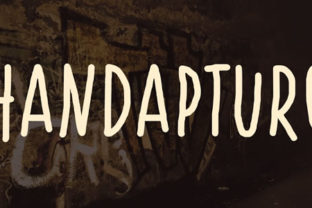
Handapture: A Handwritten Font That Feels Authentic
There is a quiet shift happening in design. After years of ultra-polished, geometric typefaces dominating brand identities and marketing materials, many creatives are reaching for something with a bit more soul. They want fonts that do not look like they were assembled by a machine. This is where Handapture enters the picture. It is not just another handwritten font; it is a typeface that captures the genuine energy of ink on paper, complete with natural imperfections and a rhythm that feels human rather than algorithmic.
The Visual Character of Handapture
At first glance, Handapture presents itself as a relaxed yet deliberate handwritten typeface. Its letterforms carry a noticeable slant, giving it a dynamic, forward-moving energy. The strokes vary in thickness, mimicking the pressure changes you get from a real pen or brush. Some letters feature slight flourishes, while others remain refreshingly straightforward. This balance between embellishment and legibility is what makes the font stand out among many handwritten fonts on the market.
The personality of Handapture falls somewhere between friendly and professional. It does not scream for attention, but it holds its own. There is a crafted casualness to it, like a handwritten note from someone with great penmanship who still wants to keep things approachable. For designers tired of sterile sans serif fonts that all look the same, this typeface offers a breath of fresh air without sacrificing readability.
Texture and Imperfection as Design Assets
One of the most appealing aspects of Handapture is its texture. The edges of each character are not perfectly smooth. There are tiny bumps, subtle irregularities, and slight variations in baseline alignment. In modern typography, these imperfections are often stripped away in pursuit of cleanliness. But here, they become assets. They give the font a tactile quality that works exceptionally well in digital environments where audiences crave authenticity. When you use Handapture in social media graphics or web design, it brings a human element that polished serif fonts or rigid geometric typefaces simply cannot replicate.
Where Handapture Shines in Real Projects
Practical application is where a font proves its worth. Handapture is a versatile display font, meaning it performs best when given room to breathe. It is not ideal for long body copy, but for headlines, short paragraphs, callouts, and branding elements, it delivers outstanding results.
Brand Identity and Logo Design
For small business owners and entrepreneurs building a brand from scratch, selecting the right typeface is a foundational decision. Handapture works beautifully in logo design, especially for businesses in creative services, food and beverage, lifestyle products, and boutique retail. A bakery logo set in Handapture immediately conveys warmth and handmade quality. A photography studio using the font signals a personal touch. The typeface carries enough personality to stand alone as a wordmark, and it pairs well with clean sans serif fonts for secondary text.
I have seen designers use Handapture as the primary typeface in brand identity systems for local coffee shops and independent bookstores. The font reinforces the message without overwhelming it. It establishes brand identity through consistency and character rather than relying on complex graphics.
Editorial and Packaging Design
In editorial design, Handapture excels as a display typeface for pull quotes, section headers, and introductory paragraphs. Magazine spreads that mix a clean serif for body text with Handapture for accent elements create a strong visual hierarchy. Readers immediately understand which content is meant to stand out. The shift in texture draws the eye naturally.
Packaging design is another area where this font proves valuable. Product labels, hang tags, and box designs benefit from the handwritten aesthetic. A skincare brand using Handapture on its packaging communicates that the product is crafted with care. The imperfections in the letterforms feel honest. For crafters and hobbyists selling handmade goods on platforms like Etsy, this font can elevate product presentation without requiring expensive design software skills.
Digital Content and Social Media
Content creators and bloggers will find Handapture particularly useful for social media graphics. Instagram quotes, Pinterest pins, and YouTube thumbnails all need typefaces that grab attention quickly. The font has enough weight to remain readable at small sizes on mobile screens, but it retains its character when scaled up for desktop viewing. Marketers creating email newsletters can use Handapture for subject line previews or section dividers to break up blocks of text and maintain reader engagement.
How Handapture Influences Readability and Perception
Readability in display fonts is a different consideration compared to body text. With Handapture, the focus is not on reading paragraphs but on immediate comprehension. The font achieves this through consistent letter spacing and clear differentiation between similar characters. The lowercase 'a' and 'o' are distinct. The 'n' and 'u' do not cause confusion. These might seem like small details, but they make a significant difference in how audiences perceive a brand or message.
From a brand perception standpoint, using a handwritten typeface like Handapture signals authenticity and approachability. In markets where consumers are skeptical of corporate polish, this can be a strategic advantage. A premium font like this one suggests that attention has been paid to the details. It tells your audience that you care about how your message is delivered, not just what it says.
Consistency and Professionalism
Some designers worry that handwritten fonts lack the professionalism required for commercial work. Handapture addresses this concern by maintaining consistent stroke weights and well-proportioned letterforms. It does not have the chaotic feel of some free handwritten fonts. The commercial font has been refined so that it works reliably across different media. When you use it in a brand guide, you can trust that it will reproduce consistently in print and on screen. This reliability is crucial for publishers and marketing teams who need their materials to look cohesive across campaigns.
Practical Guidance for Choosing and Using Handapture
Selecting any typeface for a project requires more than just liking how it looks. You need to evaluate whether it fits the specific context. Here is how to approach using Handapture effectively.
Evaluating Project Fit
Start by asking what emotion or tone your project requires. Handapture works best for messages that want to feel personal, creative, or handcrafted. If your project calls for something corporate, authoritative, or highly formal, a traditional serif font might serve you better. But if you are designing for a brand that values connection over formality, this typeface is a strong candidate. Think about your audience. A younger demographic often responds well to handwritten aesthetics, while older or more conservative audiences may prefer cleaner lines.
Font Pairing Strategies
Good font pairing is essential for creating professional-looking designs. Handapture pairs naturally with minimalist sans serif fonts like Montserrat, Open Sans, or Lato. The contrast between the organic handwritten strokes and the clean geometric shapes creates visual interest. For a more sophisticated look, pair it with a classic serif like Playfair Display or Crimson Text. The combination works well in editorial design and premium brand materials. Avoid pairing it with other handwritten or script fonts, as this can create visual clutter and reduce readability.
Reviewing Included Styles and Licensing
Before purchasing a commercial font like Handapture, check what styles are included. Some handwritten fonts come with multiple weights, alternate characters, and ligatures. These extras give you more flexibility in your designs. Look for features like swashes, stylistic alternates, and multilingual support if your projects require them. Always review the commercial licensing terms carefully. Some fonts restrict usage in certain applications like merchandise resale or digital embedding. Understanding the license upfront prevents legal issues later and ensures you can use the font across all your intended projects.
Practical Testing and Implementation
Once you have a license, test Handapture in your actual project environment before committing to it. Set up sample layouts with your real content. Check how it looks at different sizes. Test it on backgrounds of various colors and textures. A font that looks great in a preview can behave differently when placed alongside images, logos, or other design elements. Print a test page if your project involves physical materials. Ink coverage, paper texture, and printing method can all affect how the font appears. Taking these steps saves time and ensures the final result meets your expectations.
Final Observations on Handapture as a Design Asset
In a landscape where creative fonts are abundant but quality varies widely, Handapture stands out as a thoughtful option for designers who value authenticity. It brings texture, warmth, and human energy to projects without sacrificing the polish expected in professional work. Whether you are a blogger looking to refresh your headers, a brand strategist building a visual identity, or a small business owner creating your own marketing materials, this typeface offers practical value. It is not a font that tries to do everything. It knows what it is good at, and it does that well. For the right project, that is exactly what you need.