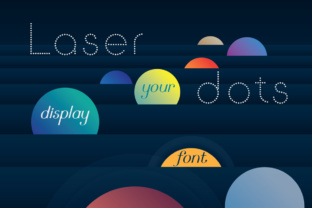
Laser Dots: A Powerful Tool for Precision and Creativity
Whether you're a professional, creator, or entrepreneur, Laser Dots offers a unique blend of precision, versatility, and visual impact. This technology has found its way into various industries, from marketing to education, thanks to its ability to deliver clear, dynamic, and engaging content. Understanding how Laser Dots works and where it can be applied can help you unlock new opportunities in your personal and professional life.
What Are Laser Dots?
Laser Dots refer to a type of projection technology that uses laser light to create bright, sharp dots or patterns on surfaces. These dots can be arranged in specific shapes, animations, or even text, making them ideal for visual communication. Unlike traditional projectors, which often require a screen, Laser Dots can work on walls, floors, ceilings, and other flat surfaces, offering greater flexibility in placement and use.
This technology is particularly useful in environments where space is limited or where a more immersive experience is needed. Its compact design and high brightness make it suitable for both indoor and outdoor applications, ensuring visibility even in well-lit areas.
Key Features and Benefits
Laser Dots stand out due to their unique features, which include high-resolution output, energy efficiency, and long-lasting performance. The dots are not just static; they can be programmed to move, change color, or respond to user input, creating an interactive experience. This adaptability makes them valuable in a wide range of scenarios.
One of the main advantages of Laser Dots is their ability to enhance visual storytelling. Whether you're presenting data, showcasing a product, or delivering a message, the dynamic nature of Laser Dots can capture attention and improve engagement. Their small size also means they can be integrated into existing setups without requiring major modifications.
Practical Applications in Different Environments
In a professional setting, Laser Dots can be used for presentations, training sessions, and product demonstrations. Imagine using them to highlight key points during a meeting or to create interactive displays at trade shows. Their portability allows teams to set up quickly, making them a valuable tool for remote or mobile work environments.
Educators can also benefit from Laser Dots by using them to illustrate complex concepts in science, math, or art. For instance, a teacher could project 3D models or animated diagrams to help students visualize abstract ideas. This hands-on approach can improve comprehension and make learning more engaging.
Creatives, such as artists and designers, can leverage Laser Dots to add a new dimension to their work. From live performances to installations, these dots can transform spaces and create memorable experiences. They are also useful in digital marketing, where eye-catching visuals can drive brand awareness and customer interaction.
Enhancing User Experience and Communication
The visual appeal of Laser Dots can significantly enhance user experience, especially in commercial settings. Retailers might use them to draw attention to promotions or create themed environments that align with their brand identity. In hospitality, they can be used to set the mood or guide guests through a space.
For businesses looking to improve internal communication, Laser Dots can serve as a tool for visual reminders or information sharing. Teams can use them to display schedules, updates, or motivational messages, keeping everyone aligned and informed. Their non-intrusive design ensures they don't disrupt daily activities while still delivering value.
Considerations When Using Laser Dots
Before integrating Laser Dots into your workflow, it's important to consider factors like lighting conditions, surface compatibility, and power requirements. While they perform well in many environments, extreme brightness or reflective surfaces may affect visibility. Testing the setup in your intended space can help ensure optimal results.
Additionally, understanding the technical specifications of different Laser Dots models will help you choose the right one for your needs. Some systems offer advanced customization options, while others are designed for simplicity and ease of use. Evaluating your goals and resources will guide you toward the most effective solution.
Real-World Examples and Recommendations
Many businesses have already embraced Laser Dots to elevate their offerings. For example, a tech startup might use them to showcase product demos at events, while a fitness center could use them to create dynamic workout guides. These real-world applications demonstrate the practical value of this technology across industries.
If you're considering implementing Laser Dots, start by identifying a specific use case that aligns with your objectives. Experiment with different configurations and gather feedback from users to refine your approach. Over time, you'll discover new ways to leverage this tool for innovation and impact.