De Rotterdam: A Modern Architectural Marvel in the Heart of the Netherlands
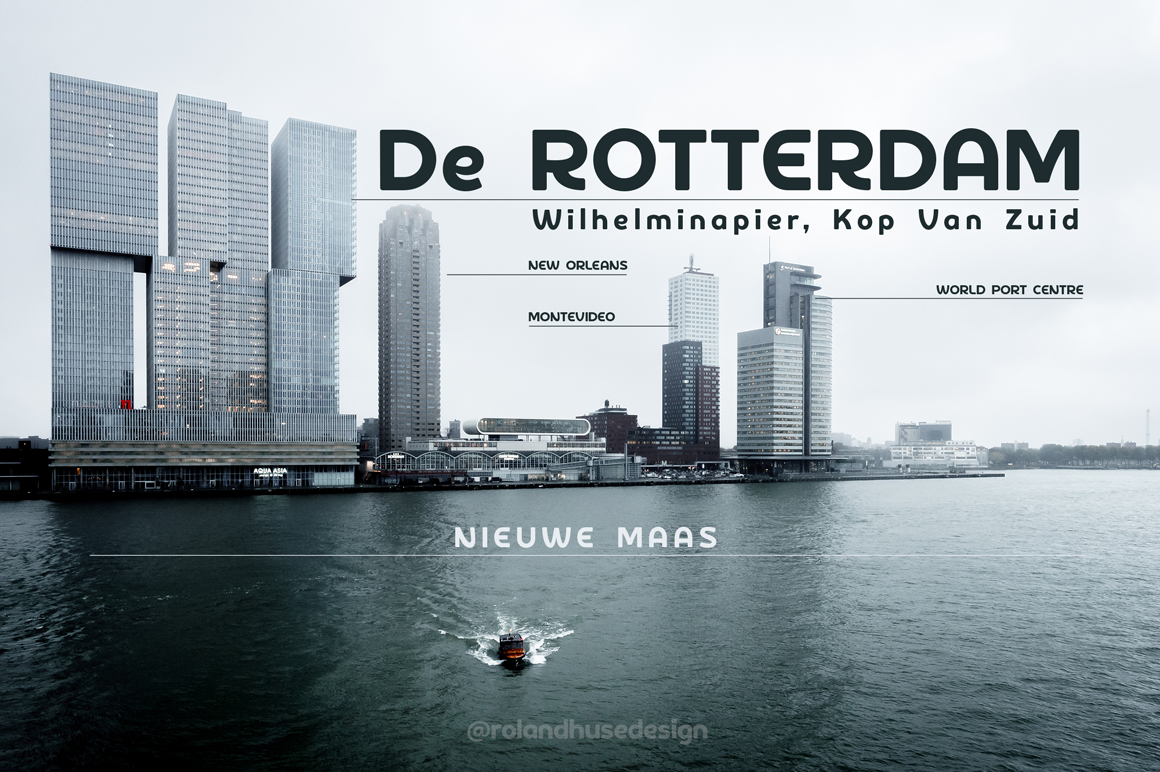
De Rotterdam is more than just a building; it's a symbol of innovation, sustainability, and urban development. Located in the city of Rotterdam, this architectural masterpiece has become a focal point for architects, designers, and urban planners alike. Its unique design and functionality make it a standout example of modern architecture, blending form and function in a way that is both aesthetically pleasing and highly practical.
The Vision Behind De Rotterdam
De Rotterdam was conceived as part of a larger vision to revitalize the city of Rotterdam after World War II. The original city center was largely destroyed during the war, and the reconstruction efforts led to the creation of a new urban landscape. De Rotterdam, completed in 2013, is a key component of this transformation. Designed by the renowned Dutch architectural firm MVRDV, the building reflects the city's commitment to progress and forward-thinking design.
The project aimed to create a multi-functional space that could serve various purposes, from commercial to cultural. This approach aligns with the growing trend of mixed-use developments that cater to diverse needs within a single structure. By integrating different functions under one roof, De Rotterdam not only maximizes space but also fosters a sense of community and interaction among its users.
Key Features of De Rotterdam
One of the most striking aspects of De Rotterdam is its distinctive shape. The building consists of three massive, glass-clad towers that rise above a base of retail and office spaces. This design creates a dynamic visual impact while also allowing for natural light to flood the interior spaces. The use of glass not only enhances the aesthetic appeal but also contributes to energy efficiency by reducing the need for artificial lighting.
Another notable feature is the integration of green spaces throughout the building. Rooftop gardens and vertical plantings help to mitigate the urban heat island effect and improve air quality. These elements are part of a broader movement towards sustainable architecture, where environmental considerations are woven into the very fabric of the design.
The interior of De Rotterdam is equally impressive. The open-plan layout encourages collaboration and flexibility, making it an ideal space for businesses and organizations that value adaptability. The building also includes a variety of amenities, such as cafes, conference facilities, and co-working spaces, which enhance its appeal to a wide range of users.
De Rotterdam in the Context of Modern Workflows
In today's fast-paced world, the way we work is constantly evolving. Remote work, flexible hours, and the need for collaborative spaces have all influenced the design of modern office environments. De Rotterdam exemplifies how a building can be designed to support these changing workflows.
For instance, the availability of co-working spaces within De Rotterdam allows professionals to work in a dynamic environment that fosters creativity and innovation. These spaces are equipped with the latest technology and amenities, making them suitable for a variety of tasks, from individual projects to team collaborations.
Moreover, the building's proximity to public transportation and other urban amenities makes it an attractive option for those who prefer to work in a central location. This accessibility is a significant advantage for businesses looking to attract talent and maintain a strong presence in the city.
Practical Benefits of Choosing De Rotterdam
Choosing De Rotterdam as a workspace or business location offers several practical benefits. One of the most obvious advantages is the high level of visibility and foot traffic that the building receives. As a prominent landmark in Rotterdam, De Rotterdam attracts a diverse range of visitors, which can be beneficial for businesses that rely on customer engagement.
Additionally, the building's emphasis on sustainability and energy efficiency can lead to long-term cost savings. Features such as natural ventilation, energy-efficient lighting, and water-saving systems contribute to lower operational expenses. For businesses looking to reduce their environmental impact, these features are not only beneficial but also increasingly important in today's market.
The security and safety measures in place at De Rotterdam are also worth noting. The building is equipped with advanced security systems and emergency protocols, ensuring a safe environment for its occupants. This level of security is particularly important for businesses that handle sensitive information or operate in high-risk industries.
De Rotterdam and the Future of Urban Living
As cities continue to grow and evolve, the need for innovative architectural solutions becomes more pressing. De Rotterdam serves as a model for how urban spaces can be designed to meet the demands of modern life. Its success has inspired similar projects around the world, demonstrating the potential of thoughtful, sustainable design.
One of the key lessons from De Rotterdam is the importance of creating spaces that are not only functional but also inspiring. The building's design encourages interaction and creativity, which are essential qualities for any successful urban environment. By prioritizing these elements, De Rotterdam sets a high standard for future developments.
Furthermore, the building's ability to adapt to changing needs highlights the importance of flexibility in urban planning. As technology and work practices continue to evolve, the spaces we occupy must be able to accommodate these changes. De Rotterdam's design allows for easy reconfiguration, ensuring that it remains relevant and useful for years to come.
Recommendations for Businesses and Individuals
For businesses considering a move to De Rotterdam, there are several factors to take into account. First, it's important to assess the specific needs of the organization and determine whether the building's features align with those requirements. The availability of co-working spaces, meeting rooms, and other amenities should be evaluated carefully.
Individuals looking to work in De Rotterdam may also benefit from understanding the surrounding area. The building is located in a vibrant part of Rotterdam, offering access to a wide range of services, restaurants, and cultural attractions. This makes it an appealing choice for those who value a lively and dynamic work environment.
Ultimately, De Rotterdam represents a new era of architectural thinking—one that embraces sustainability, functionality, and human-centered design. Whether you're a business owner, a professional, or simply an admirer of modern architecture, De Rotterdam offers something valuable to everyone. Its influence continues to shape the way we think about urban living and the spaces we inhabit.