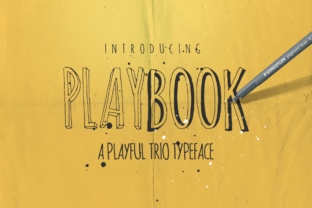
Your Creative Playbook for Modern Branding
Great design rarely happens by accident. It is the result of intentional choices, clear systems, and a deep understanding of how visuals communicate with an audience. For today’s graphic designers, marketers, and brand builders, relying on isolated creative assets is no longer enough to maintain a competitive edge. This is where the concept of a design playbook becomes indispensable. A well-structured playbook serves as a central source of truth for brand identity, guiding everything from logo design and typography to color palette application and layout principles.
Why a Playbook Transforms Creative Workflows
A playbook is not just a static PDF of brand guidelines. It is a living toolkit that empowers teams to produce cohesive visual design across every touchpoint. Whether you are creating social media graphics, tackling editorial design, or developing packaging design, having a predefined set of rules and assets ensures that the core brand identity remains perfectly intact. This consistency builds trust, recognition, and a professional presentation that audiences instantly connect with. By formalizing your design workflow, you eliminate guesswork and free up mental energy for innovation and creative problem-solving.
Practical Applications Across Every Medium
Where does a playbook truly shine? Across the entire spectrum of creative projects. From digital products to physical merchandise, it provides a reliable framework that accelerates production without sacrificing quality.
Building Blocks for Branding and Digital Marketing
Your playbook is the ultimate reference for maintaining modern aesthetics and visual hierarchy. It ensures every piece of communication feels unified, whether it lives on a billboard or a mobile screen.
- Branding and logo design: Establishes proper lockups, clear space rules, and approved color variations for different backgrounds and contexts.
- Digital marketing and social media graphics: Provides templates for ads, story formats, and banner sizes that speed up production while keeping the brand recognizable.
- Web design and UI/UX design: Defines component libraries, button states, hover effects, and form styles to create a seamless, intuitive user experience.
Extending Reach into Print and Products
A robust playbook seamlessly bridges the gap between screen and physical space, maintaining integrity across all formats.
- Editorial design and print design: Outlines grid systems, type scales, bleed margins, and paper stock preferences for magazines, brochures, and reports.
- Packaging design: Specifies material constraints, structural die lines, and logo placement so that the brand feels intentional in three dimensions.
- Advertising campaigns and merchandise: Guides the use of imagery, copy blocks, and color overlays to ensure large-scale visuals retain their impact and readability.
Selecting and Evaluating Your Design Toolkit
Whether you are building a playbook from scratch or refining an existing one, focus on factors that directly impact usability and creative output. The best systems are rigorous enough to maintain order but flexible enough to inspire.
- Consistency and scalability: Can the system grow with your brand? Does it account for new mediums like augmented reality or evolving social platforms without breaking?
- Readability and visual hierarchy: Does the typography and color palette guide the viewer’s eye effectively through the content? Accessibility should be a non-negotiable component.
- Audience expectations and design goals: Does the playbook reflect the brand’s authentic voice and resonate emotionally with its target demographic?
Integrating elements like responsive typography, accessible contrast ratios, and modular layouts within your playbook reinforces a modern aesthetic while ensuring practical, day-to-day application. It turns abstract brand values into tangible, usable design inspiration.
The Role of Typography, Color, and Composition
A premium playbook dives deep into the why behind the what. It explains why a specific typeface was chosen for editorial design, how the color palette evokes certain emotions for packaging design, and when to use different compositional hierarchies for digital marketing versus print campaigns. Typography, for instance, is a defining element in any design workflow. A great playbook specifies primary and secondary faces for headlines, body copy, and captions, detailing their scale, leading, and appropriate usage. It prevents typographic chaos and ensures every word contributes to a cohesive visual rhythm.
Similarly, the color palette goes beyond simply selecting favorite hues. It documents specific HEX, RGB, CMYK, and Pantone values, along with rules for application that maintain emotional resonance. It might define primary colors for hero sections, secondary tones for accents, and neutral shades for backgrounds—all while ensuring sufficient contrast for accessibility and clarity.
In a world saturated with visual noise, a thoughtful design playbook is your blueprint for clarity, consistency, and lasting impact. It does not stifle creativity; it fuels it by removing repetitive guesswork and providing a solid, strategic foundation to build upon. Investing time in refining your creative assets and guidelines is an investment in the long-term strength of your brand identity and the overall quality of every project you undertake.